 Log In

Which Homeschool Style is Right for You?
Nowadays, “homeschool” can be a bit of a misnomer. Plenty of students who take part in nontraditional educational options aren’t actually learning from home. They are learning at parks, zoos, and museums. They’re taking trips with their families, exploring and experiencing cultures and lands that those in a more traditional setting typically only read about in textbooks.
If learning from the kitchen table is more your style, there are plenty of options for that, too! Choosing a homeschool style boils down to sustainability – that is, what you as a family can sustain. If loads of field trips and outdoor activities aren’t feasible, you can certainly alter your approach to fit your family’s needs. There isn’t one “correct” way to homeschool.
What Homeschool Learning Style Fits Into Your Life?
One of the most important questions you must ask yourself before committing to a particular style of homeschooling is “How do my kids prefer to learn?” Do they thrive in fast-paced environments? Are real-life experiences thrilling for them? Do they enjoy exploring the outside world? Perhaps your child requires a more serene learning environment with little distraction. Plenty of children need silence to concentrate, and that’s okay!
Another thought to consider is how you enjoy teaching. If your kids love field trips, but you find them exhausting, multiple field trips a week is likely not sustainable. It’s important to strive for a good balance between your children’s needs and your own.
With so many different styles of homeschooling out there, there are lots of ways that you can make home education work for your family. Some students thrive off structure, while others find a relaxed approach much more appropriate. The list goes on, but the beauty is that you get to choose!
Types of Homeschool Styles
So you’ve asked yourself some important questions, determined your family’s needs, and now you’re ready to choose a homeschool style. This may seem like a monumental task, but we’re here to help! Allow us to break the most popular homeschooling methods down for you:
Traditional Homeschool
For many people, the word “homeschool” conjures images of children sitting around a table, diligently completing assignments from workbooks while a parent leads the day’s activities. In most traditional homeschool settings, parents purchase a particular curriculum for their children, with supporting materials to match, and will lead the lesson and assist in topic practice as needed.
Best for families who:
- Have multiple children working at different levels
- Require a distraction-free learning environment
- Value a more traditional approach to education
May not be best for families who:
- Have two parents who work full time
- Have children who don’t tolerate bookwork

Montessori Homeschooling
Child-led education has grown in popularity over the past few years, with Montessori leading the pack. While brick-and-mortar Montessori schools do exist, many families have adapted Montessori techniques to fit their homeschooling lifestyle. Montessori homeschooling is great for families who want to encourage their children to think independently, learn through trial and error, and develop a love of discovery.
Best for families who:
- Are homeschooling young children
- Value fostering independence
May not be best for families whose students are:
- Older children who are fairly independent already
- Younger children who require more direction and structure in learning
- Easily overwhelmed
Charlotte Mason Homeschooling
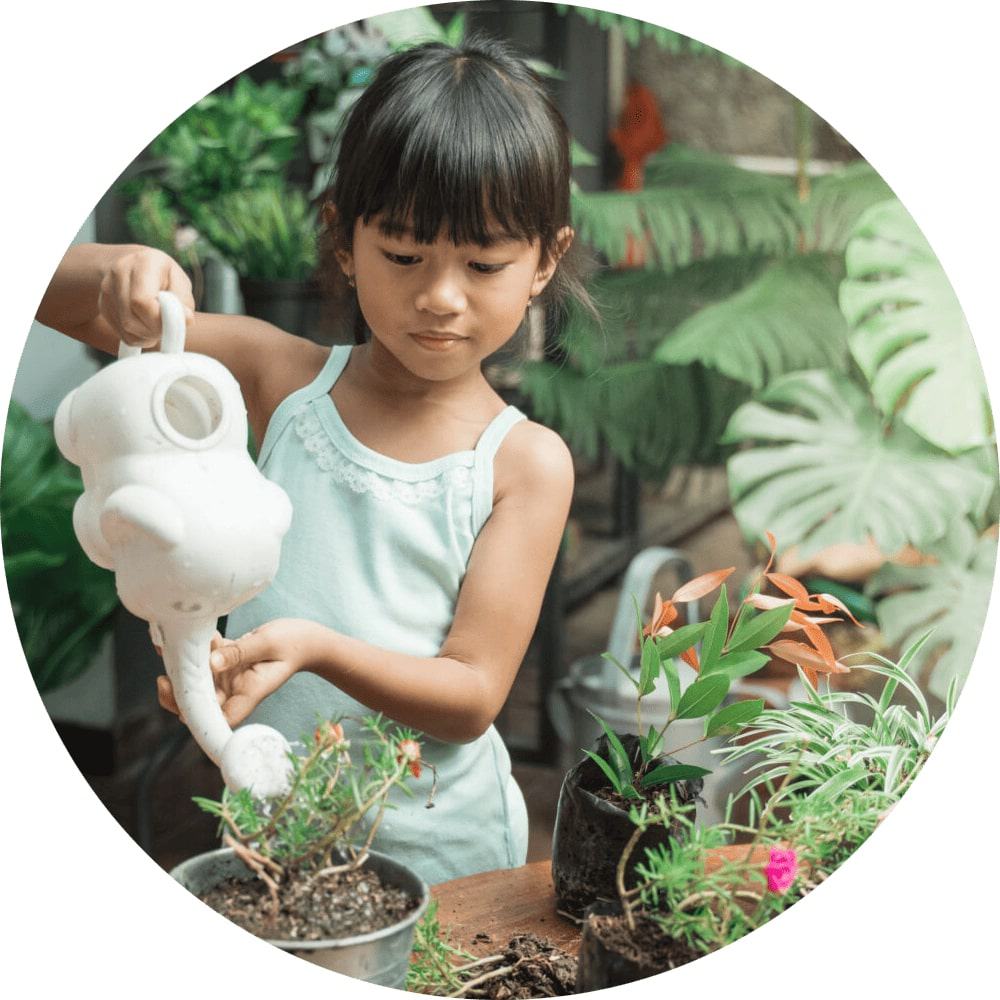
The Charlotte Mason method is for families who believe that stories, nature, and fine arts should form the foundation of education, rather than textbooks. Rooted in the philosophy of British educator Charlotte Mason, this method emphasizes living books, meaningful ideas, and the development of the whole child—academically, morally, and creatively. If you’re not afraid to embrace classic literature, keep a nature journal, and study poetry, music, and art, this method is for you!
Best for families who:
- Want to feature rich, high-quality literature prominently in their children’s education
- Value exposure to fine arts like music, art, and poetry
- Don’t mind spending more time on reading, discussion, and the arts than on worksheets or traditional textbooks
May not be best for families who:
- Have children who dislike reading
- Have children who struggle to stay engaged with longer texts
- Prefer equal time and emphasis placed on core subjects, similar to a more traditional approach
Waldorf Homeschooling
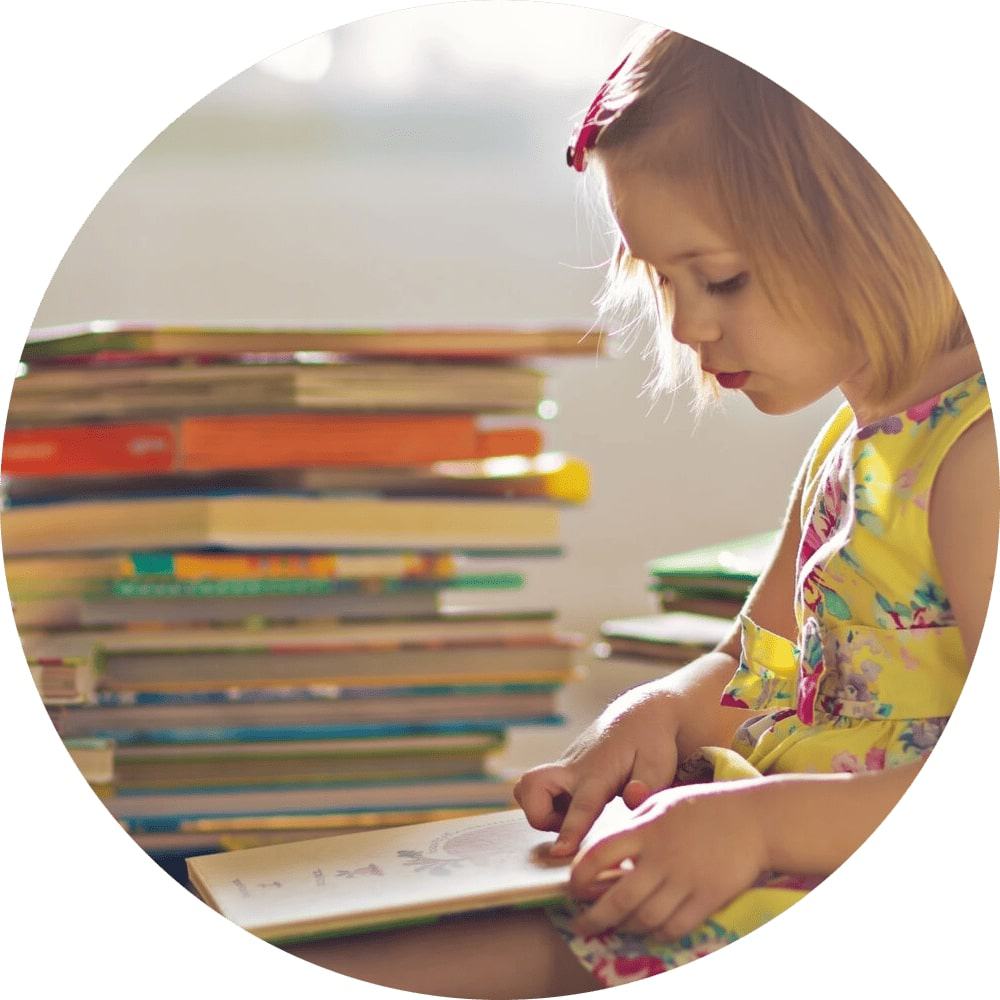
Waldorf homeschooling focuses on educating the whole child at a developmentally appropriate pace, emphasizing the experience of learning rather than academics alone. In early education, this method promotes play, storytelling, and hands-on activities.
Waldorf homeschooling is reliant on routine, and encourages children to observe and participate in the rhythms of nature, such as taking a walk at the same time every day. The goal is to create a feeling of stability, security, and balance, while learning at a gentle and low-stress pace.
Best for families who:
- Value intentional, nurturing relationships with education
- Prefer a no-screens approach
- Have the ability to provide much more parent involvement than other methods
May not be best for families who:
- Rely on technology, as computers and devices are discouraged, especially for kids under 12
- Have two working parents, as the Waldorf method requires a much larger time commitment than other methods — this may be possible, but can be difficult to sustain.

Project-Based Homeschooling
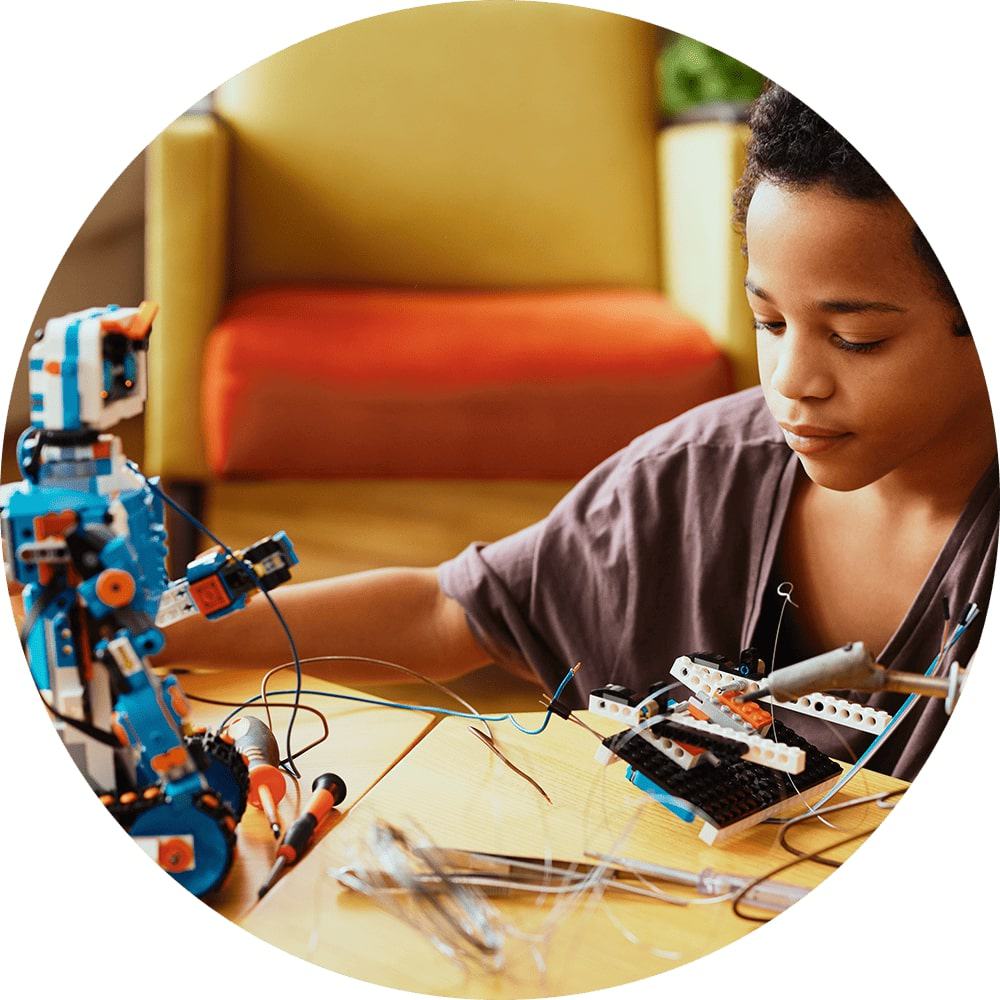
For families who believe children learn best by doing, project-based learning offers an engaging, real-world approach to education. Instead of focusing on isolated lessons or worksheets, this method centers learning around meaningful projects that require critical thinking, problem-solving, and creativity. For example, one project may span several subjects, and students get to be creative and practice critical thinking skills as they design a small business, build a model city, create a documentary, or research and present solutions to an environmental issue.
Best for families who:
- Want learning to feel meaningful, hands-on, and connected to real life
- Enjoy long-term projects instead of daily worksheets
- Don’t mind taking on a facilitator role and helping guide open-ended learning
May not be best for families who:
- Struggle with independence or focus
- Are short on time for planning or involvement
- Want straightforward, standards-aligned coverage of all subjects
Unschooling
Unschooling is a method of homeschooling that focuses on learning from experiences rather than a set curriculum. The Unschooling method is similar to Waldorf in this way, but a key difference is the lack of routine and purely child-led approach to learning.
Families using the unschooling homeschool style benefit from the freedom it provides, and children benefit from the low-stress environment. While a totally valid form of homeschooling, unschooling can lead to some issues if/when parents want their children to return to traditional school. As an example, unschooled children could struggle to do well on formal tests, as tests are typically rarely given while unschooling.
Best for families who:
- Value flexibility and child-led learning
- Value educational experiences over academics
May not be best for families who:
- May have their children return to traditional school eventually
- Live in states with testing and reporting requirements
Roadschooling
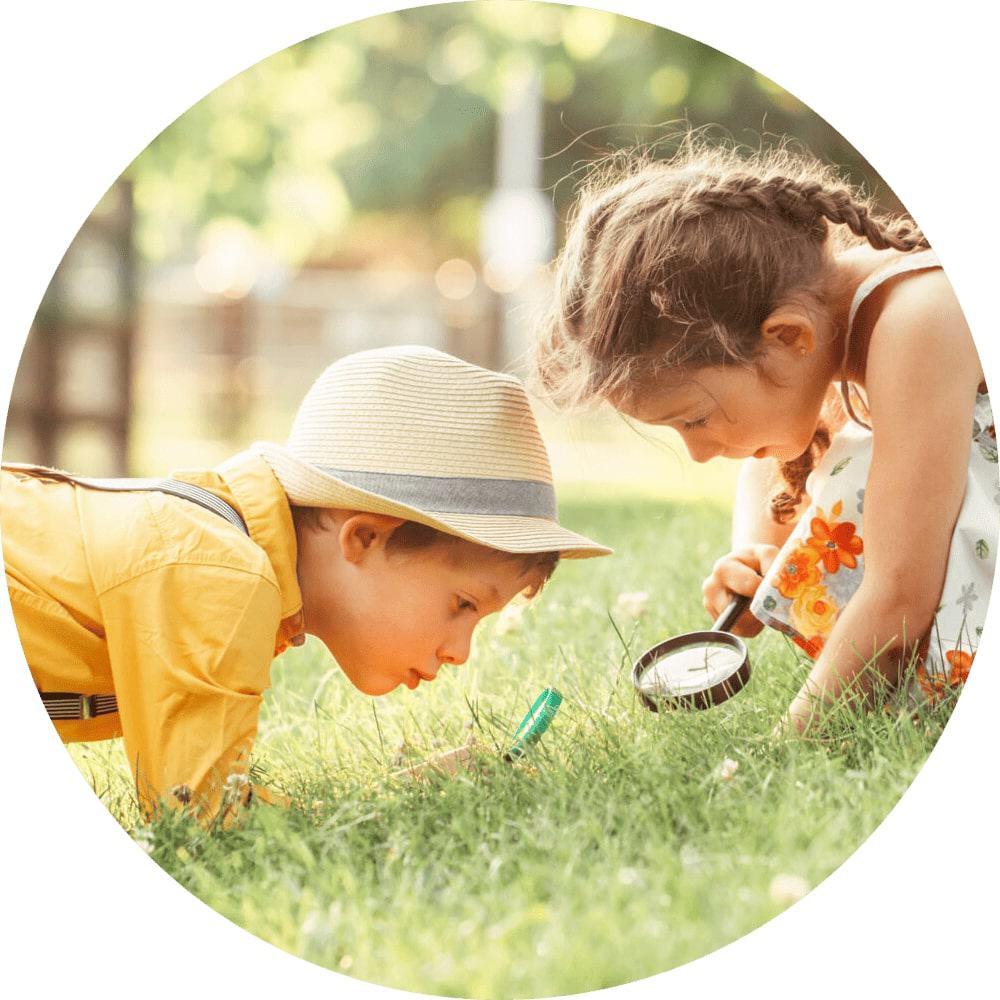
Perhaps the most adventurous of the homeschool styles is roadschooling! Roadschooling is an excellent way to combine real-world experience with quality education. Matching lessons with trips to historical sites, museums, or nature preserves is a surefire way to promote interest in learning and a lifelong love for exploration.
Best for families who:
- Value real-world experiences as an integral part of education
- Want to promote a lifelong love for exploration and learning
- Love to travel, and don’t mind life on the road
May not be best for families who:
- Find constant traveling exhausting
- Have children who may stress from the constant change of scenery

Eclectic Homeschooling
Eclectic homeschooling is the choose-your-own-adventure way to homeschool! Rather than following one specific approach, eclectic homeschoolers pull from a variety of styles—such as Charlotte Mason, classical, Waldorf, unit studies, or traditional curricula—choosing what works best for their child and adapting as needed.
At its core, eclectic homeschooling is highly flexible and student-centered. Parents might use a structured math program, incorporate living books for history and literature, add hands-on science experiments, and include creative or interest-led projects, all within the same homeschool plan. This approach allows families to tailor education to their child’s learning style, strengths, and evolving needs.
However, due to the large variability in content and schedule, this method does require a single, guiding structure to maintain a steady pace of learning.
Best for families who:
- Prefer a more relaxed approach, but don’t want to commit to any style fully
- Children who are easily stressed by deadlines and pressure
May not be best for families who:
- Families and children who thrive on a strict schedule
- Have multiple extracurricular activities to attend to, or two parents that work — the lack of a predictable schedule may cause frustration in these areas

Reggio Emilia Homeschooling
EReggio Emilia–inspired homeschooling is a child-led, curiosity-driven approach that views learning as an exploratory and collaborative process. Rather than following a fixed curriculum, this style emphasizes the child’s natural interests, encouraging them to investigate topics deeply through projects, creative expression, and real-world experiences.
At its core, the Reggio Emilia approach is highly student-centered and rooted in the belief that children learn best through discovery and meaningful engagement. Parents act as guides or co-learners, observing their child’s interests and helping expand them through open-ended questions, hands-on activities, and access to rich materials. Learning often integrates art, storytelling, nature, and community, with a strong focus on self-expression and critical thinking.
Due to its fluid nature, this method does require more intentional observation and planning to ensure steady progress over time.
Best for families who:
- Value creativity, exploration, and child-led learning
- Enjoy following their child’s interests rather than a set curriculum
- Want to foster independence, critical thinking, and a love of learning
May not be best for families who:
- Feel uncomfortable guiding learning without a traditional curriculum
- Prefer clear structure, schedules, and predefined academic goals
- Need a more predictable routine due to work or multiple commitments
Miacademy and MiaPrep Can Fit Into All Homeschool Styles
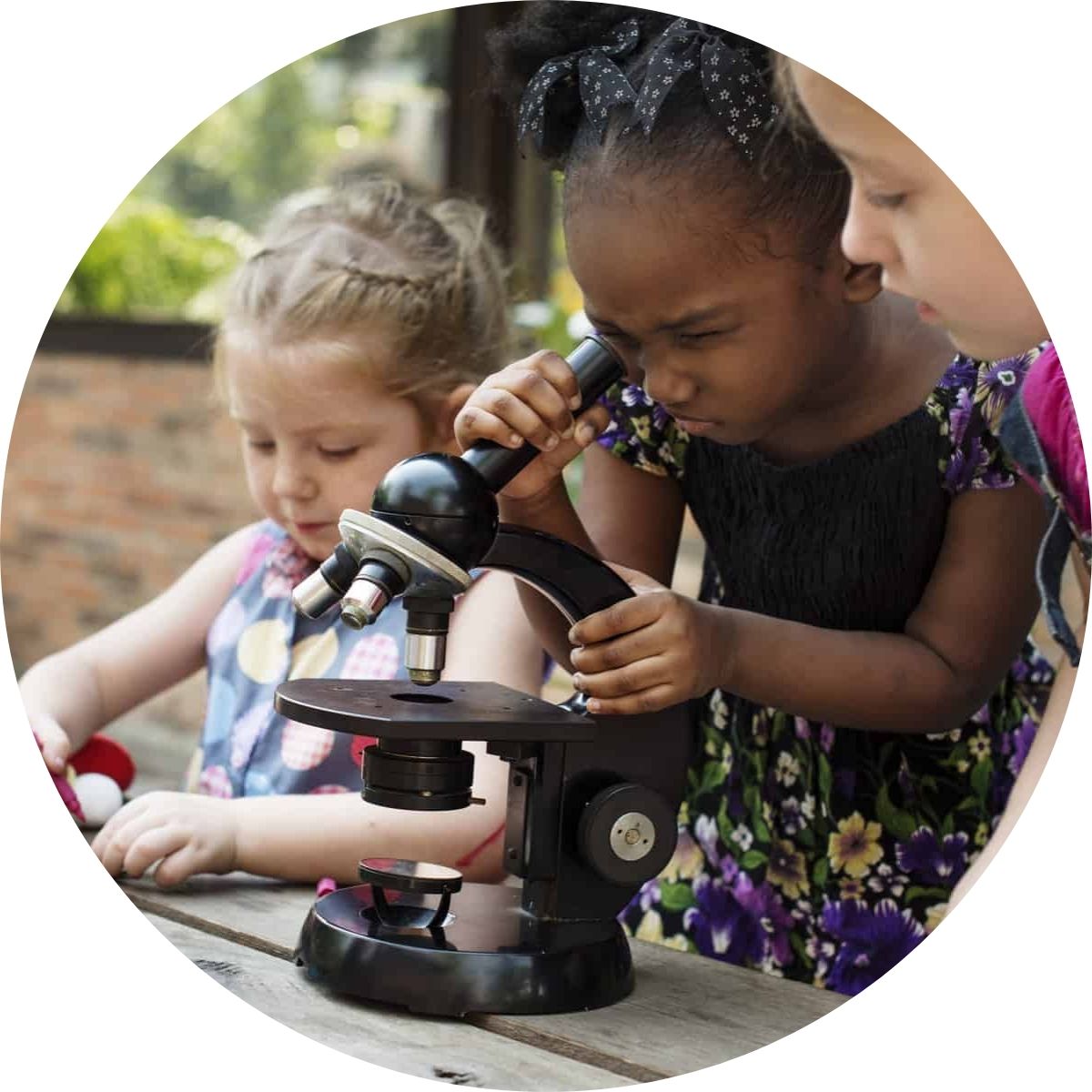
Our curriculum is extremely flexible and completely customizable to fit almost any homeschool style!
Does your child work at different grade levels, depending on the subject? With our all-in-one curriculum, everything they need is included!
Would you like to exclude certain subjects or lessons from your child’s schedule? Done in just a few clicks.
Does your child prefer a more relaxed approach to learning? Would they benefit from the freedom to move at their own pace? We got you covered! Our learning path is completely customizable, student-led, and automatically adjusting. Plus, with our mobile friendly curriculum, students can take their schoolwork just about anywhere — from the kitchen table, to soccer practice, or even the Grand Canyon, learning can happen anywhere with internet access.
If you have any questions about how Miacademy can support your family on your unique homeschooling journey, please reach out to our friendly customer service team! From general homeschooling questions, to how-tos and lesson support, they’re here to help make your Miacademy learning experience as smooth as possible.
Frequently Asked Questions
Read More